
We specialize in measuring and controlling mechanical forces at biological interfaces, ranging from cells to the human sense of touch. These interfaces are complex because they are often soft and patterned. To understand these interfaces, we build devices, conduct experiments, theory, and simulations, and integrate new functional materials. Some of our previous work is shown below.
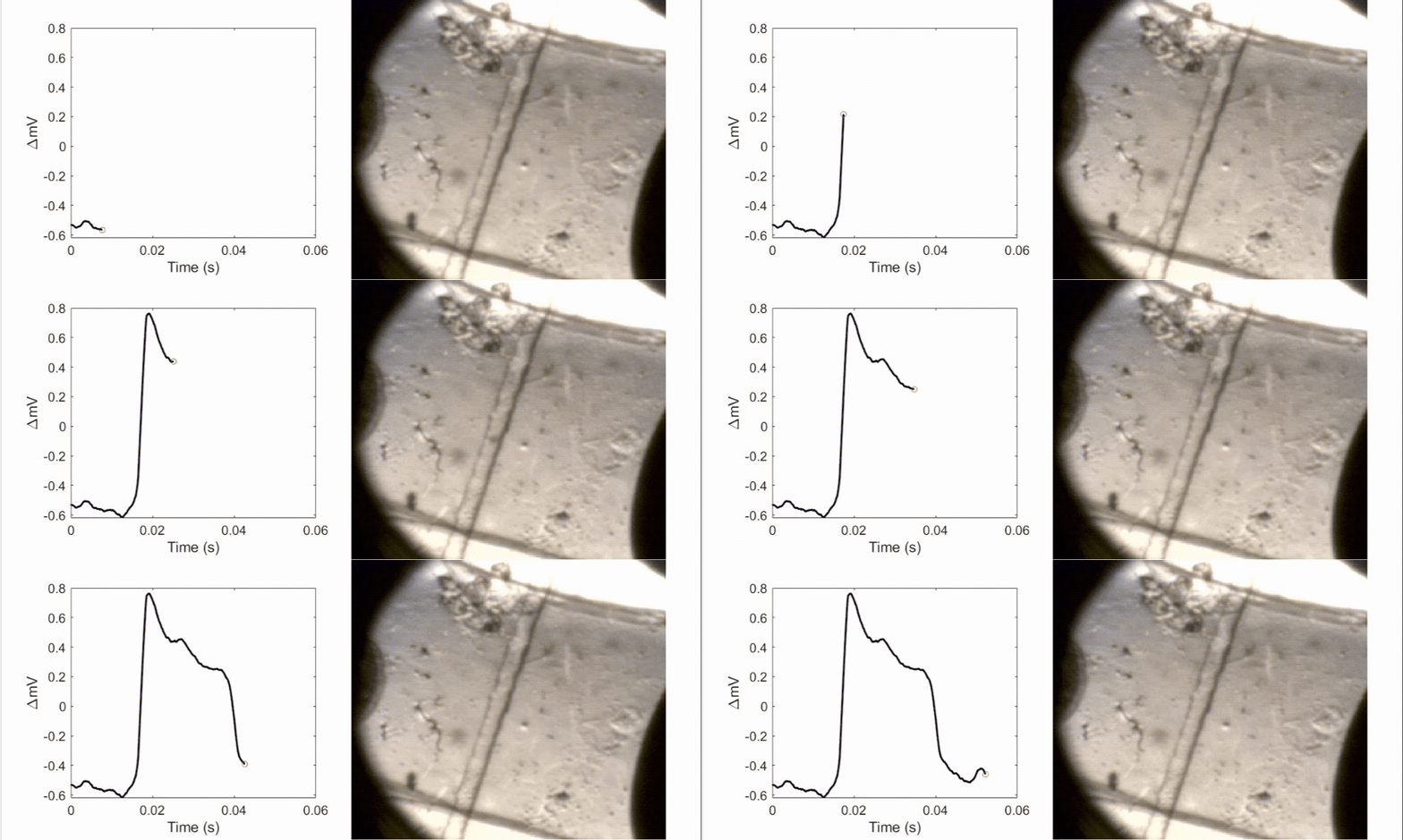
Flowing particles are measured with strain sensors
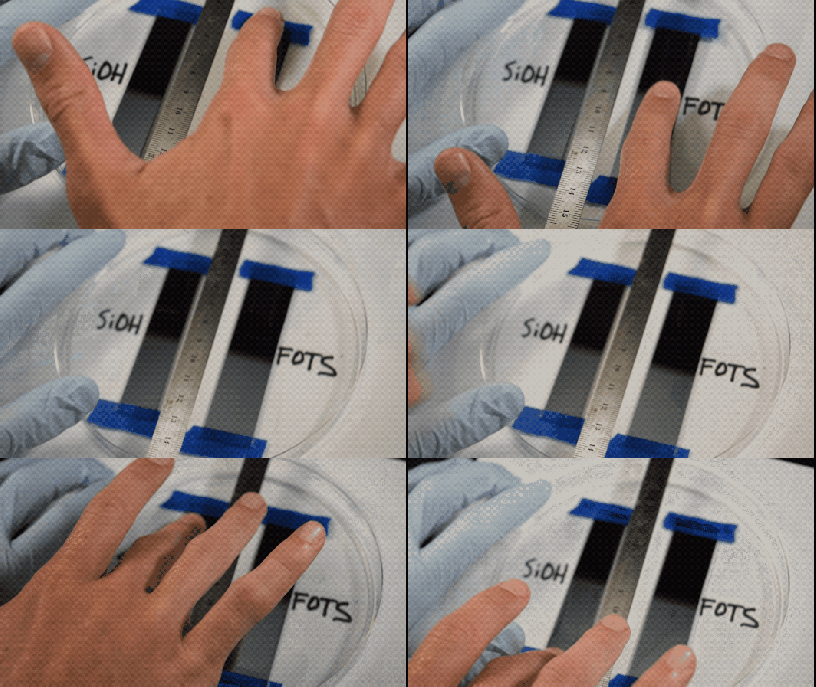
Stick-slip model of friction generated during human exploration on hydrophilic (blue) and hydrophobic (red) surfaces.

Human exploration of surface energy on flat silicon wafers.
Detachment (peeling) in viscous fluids.
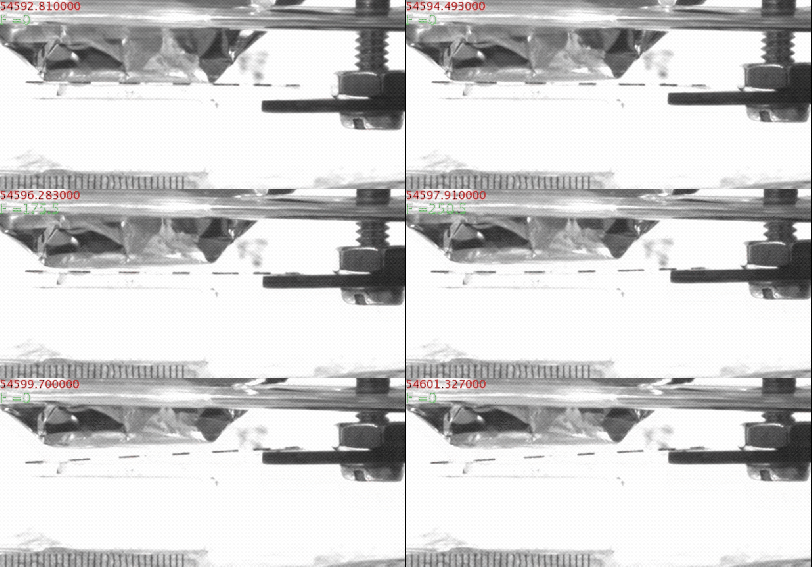
Detachment in viscous fluids, view from below.

Particles roll differently between micropatterned pillars and wells, even if the pillars and the wells are the same exact size.


The GAG-laxy: Safranin-O and Fast Green-stained histological cartilage identifies rich and poor regions of glycosaminoglycans (GAGs), as a backdrop to starry clusters of chondrocytes.

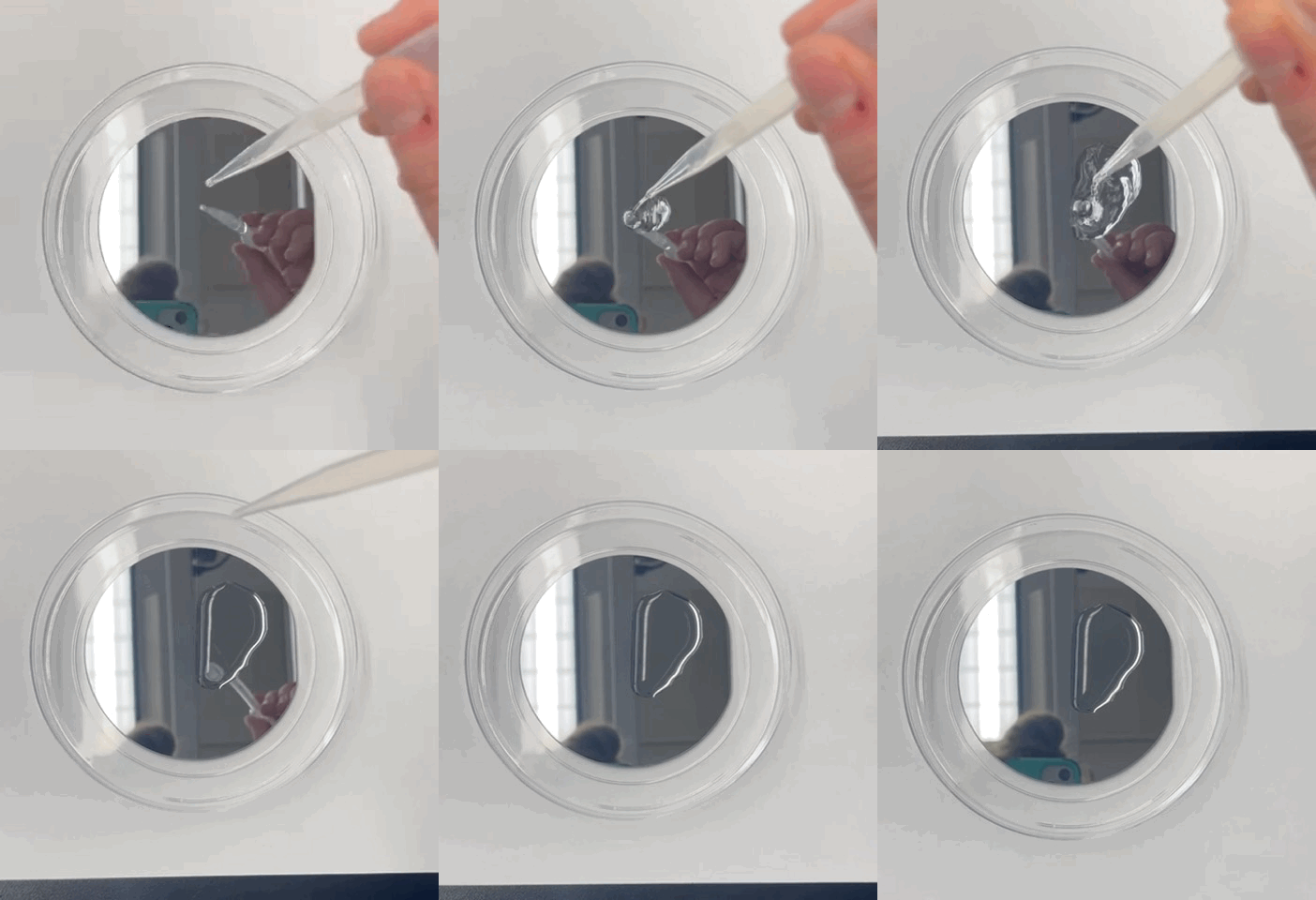
At a chemical edge, water travels to the more hydrophilic silane.
 Dhong Lab